Saudi Arabia Opens Real Estate Market to Foreigners: 2026 Reform Guide
A Historic Shift: Saudi Arabia’s New Property Laws for 2026
The Kingdom of Saudi Arabia is entering a new economic chapter. Starting in January 2026, a landmark reform will take effect, allowing foreign nationals to own real estate within the Kingdom. This move is a cornerstone of the Saudi Vision 2030 initiative, aimed at opening the nation to global capital and diversifying its economy.
Key Changes for International Investors
The new regulatory framework introduces a structured approach to foreign property ownership:
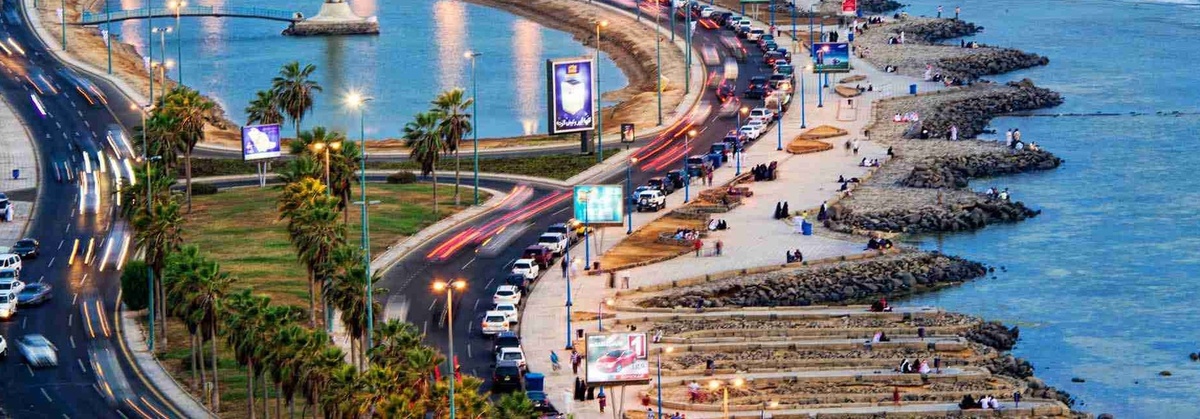
- Designated Zones: Non-resident foreigners will be permitted to buy residential and commercial properties in specifically approved areas within Riyadh and Jeddah.
- Resident Privileges: Foreigners living in Saudi Arabia with a valid residency permit (Iqama) will gain the right to own a single residential property outside of the designated zones.
- Regulated Expansion: To maintain market stability, the Kingdom is opting for a phased rollout through government-approved territories.
Strategic Context: Why Now?
The liberalization of the real estate sector is part of a broader push to modernize the Saudi economy:
- Reducing Oil Reliance: Boosting the private sector’s contribution to the national GDP.
- Infrastructure Growth: Attracting foreign direct investment (FDI) to support massive urban and technological developments.
- Financial Synergy: Alongside property reforms, the removal of the Qualified Foreign Investor (QFI) status on the Tadawul stock exchange (effective Feb 1, 2026) creates a seamless ecosystem for international wealth.
Market Outlook: What to Expect in 2026
The opening of this previously restricted market is expected to have several immediate impacts:
- Concentrated Capital Inflow: The focus on Riyadh and Jeddah will likely lead to rapid appreciation in these urban centers as global investors secure early-entry positions.
- Enhanced Transparency: Increased international participation will drive further standardization of property registration and legal protection for owners.
- Global Competitiveness: Saudi developers are expected to raise project standards to meet the expectations of international luxury and commercial buyers.
Conclusion
Saudi Arabia is no longer a closed market—it is an emerging frontier for global real estate. For the first time, international investors can tap into the Middle East’s largest economy with direct ownership.
Ready to explore the first available investment zones? Contact us for an analytical deep dive and professional guidance at nevestate.com.